
Can weight loss injections affect contraception?
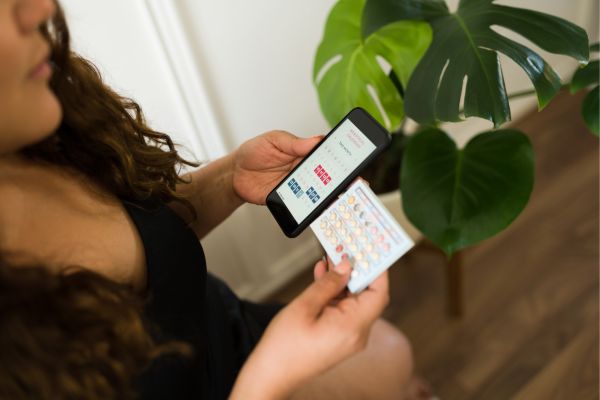
Weight loss injections, like semaglutide (Ozempic, Wegovy), have been making headlines lately, and for good reason. These GLP-1 medications can support significant weight loss and are now being prescribed to more people than ever before.
However, as with any new treatment, it’s important to understand the impact it could have on the rest of your health, especially if you’re using contraception.
Recent guidance from the Faculty of Sexual and Reproductive Healthcare (FSRH) has raised some important points about how these injections could impact contraceptive effectiveness. If you’re using or considering GLP-1 weight loss injections, here’s what you need to know.
What are weight loss injections and how do they work?
GLP-1 receptor agonists like semaglutide were originally developed to help people with type 2 diabetes manage their blood sugar. However, researchers soon discovered that these medications also helped with weight loss by reducing appetite and slowing digestion.
Now, they’re being used more widely to help people with obesity or weight-related health conditions reach a healthier weight.
You usually take them as a once-weekly injection, and many people report feeling fuller for longer and eating less without consciously dieting. The benefits can be impressive, but the medications can also cause side effects, especially in the first few weeks. Nausea, vomiting, and digestive changes are all common as your body adjusts.
Can weight loss medications interfere with birth control?
Some forms of contraception, like the combined oral contraceptive pill, need to be absorbed properly through your digestive system to be fully effective. If you’re taking semaglutide and it causes vomiting or diarrhoea (particularly within a few hours of taking your pill), your body may not absorb the full dose of hormones. That could mean reduced protection against pregnancy.
This is especially important during the first four weeks of starting weight-loss injections, when side effects tend to be strongest. According to the FSRH, this early adjustment period may put some users at greater risk of contraceptive failure if they’re relying on methods like the pill. They have shared this patient advice (click here) based on their recommendations.
It’s also worth noting that GLP-1 injections don’t interact with hormonal contraception in a way that cancels it out chemically. The concern is more about how the injection affects your digestion and whether your body can process the contraceptive properly.
How to make sure that you stay protected
If you’re using weight-loss injections and contraception at the same time, there are a few ways to make sure you stay protected:
Use extra protection: During the first four weeks of treatment (or longer if you’re still having digestive side effects), consider using condoms as a backup method, even if you’re on the pill.
Think about switching to a non-oral method: Long-acting reversible contraception (LARC) options like the coil (IUD), implant, or injection, are not affected by digestion. This means they remain fully effective regardless of nausea or vomiting.
Track symptoms: If you do feel unwell after taking your pill, especially within 2–3 hours, check your contraceptive leaflet, it may count as a missed dose. In that case, follow the usual missed pill guidance or speak to a healthcare provider.
Most importantly, don’t panic. Many people take both treatments safely, but awareness is key. If you’re unsure whether your current contraception is still working effectively while on weight loss medication, it’s always worth having a chat with a doctor.
Need advice on what’s right for you?
If you’re starting weight-loss medication and want to review your contraception options, we’re here to help with friendly, clear, and confidential advice.
Book a consultation today and let’s find the approach that works best for your body, your goals, and your peace of mind.

